Two scenes. Same archetype. Completely different disguise.
Willy Wonka stands at the factory gates watching five children walk in, and you can see it on his face — equal parts delight and contempt. These are the kids who are about to be exposed for who they actually are by the environment he built. The river made of chocolate. The edible flowers. The elevators that go sideways. It's a madman's vision rendered in such literal, specific, impossible detail that the film practically dares you to call it whimsy. It isn't whimsy. It's the inside of a creator's head turned into architecture.
Tony Stark is in a cave in Afghanistan with shrapnel in his chest and a car battery keeping him alive. And instead of waiting to be rescued, he builds. He cannibalises weapons for parts. He designs a suit of armour out of scraps. He turns the worst moment of his life into the first prototype of the thing that will define the rest of it. The Mark I is ugly. It barely works. It's also pure creator energy, because the creator doesn't wait for better conditions to make the thing. The creator makes the thing, and the conditions improve because the thing now exists.
Willy Wonka and Tony Stark look like opposites. They're not. They're the same archetype in different costumes. The one who cannot stop building, who is weird on purpose, who makes things that the rest of the world doesn't understand yet, and who would rather be alone with the work than surrounded by people who need it explained.
That's the creator brand archetype when it's real. Not "artsy." Not "creative professional." A compulsion to make that does not let the person rest, combined with an inability to copy anyone else's blueprint.
Creator Brand Archetype
"If I can imagine it, I can build it."
What the Creator Brand Archetype Actually Is
The creator brand archetype is one of 12 brand archetypes rooted in Carl Jung's psychological framework. Sometimes called the Artist, the Maker, or the Innovator. Its core desire is to bring something original into the world. Its deepest fear is mediocrity, or becoming indistinguishable from everyone else doing the same thing. Its gift is vision translated into form — and the willingness to keep making until the form matches the vision.
Most articles will tell you the creator is the "artistic one." The dreamy maker in the corner with paint on their sleeves. That's a flattening of this archetype so complete I want to correct it and move on. Creators are not just artists. Creators are anyone whose entire orientation to the world is "I want to make the thing that doesn't exist yet." That includes musicians and designers, yes — but also engineers, system-builders, framework-makers, inventors, and the people quietly redesigning industries because the current version is too boring to tolerate.
Creators are often misunderstood because the output is unusual before it becomes obvious. Willy Wonka's factory looks insane from the outside. Tony Stark is called reckless right up until the moment the suit flies. Frida Kahlo painted herself bleeding and sprouting roots and was dismissed as self-absorbed for decades before anyone understood what she was actually doing. The creator sees a thing that isn't there yet, builds it, and then has to wait for the world to catch up.
I know this one because I live it, even though it's only 10% of my archetype blend. My conscious Pluto is in Gate 1 in Human Design — the gate known for transformational brand power through embodying originality. That's the creator signature. Gate 1 is not about being creative in a hobby sense. It's about being so specifically, weirdly yourself that your work becomes impossible to replicate. The people who have strong Gate 1 activations are often told, from childhood, that they're "too much" or "too different." Usually by people who would do better work if they had the guts to be either.
I love making things. Songs. Blog posts. Stories. Images. Frameworks. Systems for clients that are built from scratch to match them specifically, instead of being checkbox exercises disguised as strategy. I cry at movies and musicals because I can feel the work underneath the surface — the decisions, the craft, the years of someone refining their eye until they could tell a story that lands on mine. Creator energy recognises other creator energy across every medium. Once you see it, you can't unsee it.
Creator Brand Visual Identity
Creator is ORIGINALITY. That's the visual principle underneath everything. Not decorated. Not eclectic-for-its-own-sake. Original. Every visual element should look like it came from the maker's own head — not from a stock library, a trending template, or a Pinterest board that thirty other brands also pinned last week.
The creator brand visual language is layered. Hand-drawn elements next to precise geometry. Textured backgrounds behind clean typography. Unusual colour pairings that shouldn't work but do. Expressive type. Artistic details that reward close looking. The creator brand rarely uses "clean minimalism" — not because minimalism is wrong, but because the creator tends to fill the frame with thought. There's a lot going on, and everything that's there is there on purpose.
When I build creator-coded visuals for an AI photoshoot, the images carry density. A textured space around the subject. Layered objects that signal craft — instruments, notebooks, tools, sketches, fabric, colour. The light is warm and directional rather than clinical. The composition feels curated by a specific human, not optimised by a committee. That's the creator's visual signature: every frame feels inhabited by the person who made it.
Creator Brand Visual Direction
A creator brand can look modern and minimal — not every creator is maximalist. Apple is a creator brand at scale and it reads as sleek, spare, engineered. The principle stays the same though: everything in the frame was chosen by someone with a specific eye. Nothing is generic. Nothing is borrowed. The minimalism itself is the authored decision.
How the Creator Archetype Shows Up in Your Business
Creator-led brands don't just look different. They are built differently from the inside. Most archetype articles stop at "use expressive colours and be artistic," which is useless. I want to talk about what it actually means to run a business on creator energy, because this is the part that separates real creator work from the cosplay.
How creators write
Creators write with a specific voice that cannot be mistaken for anyone else after you've read them for a while. The sentences have rhythm, texture, unusual turns. Creator copy is rarely punchy in the corporate sense — it's more likely to take you somewhere you didn't expect and reward you when you arrive. My Human Design Gate 31 sits on top of this — the gate of being a spokesperson for what others feel but can't articulate. That's where creator writing lives. Not in clever captions. In language that lands because it names something the reader has been circling for a long time.
How creators price
Distinctively. The creator's numbers rarely round to the standard industry defaults. They're specific, chosen, considered. The way I price my AI photoshoot packages is not a marketing trick. It's the creator in me choosing numbers that feel resonant rather than numbers that feel safe. Creator brands understand that pricing is part of the brand, not a separate operational concern.
How creators handle "just follow this proven formula"
They physically can't. I have a visceral resistance to generic best practices. The moment someone tells me a formula is "what works," I feel my body pulling away. I built my entire business on the refusal to use the standard online-business playbook, because the playbook was built by and for different humans. The webinar-pitch-email-bonus cycle. The 5-reels-a-week content calendar. The "pick a niche and never leave it" advice. None of that works for a creator. What works for a creator is developing their own system, iterating it until it fits, and then running it relentlessly. The system won't look like anyone else's. That's the point.
Who creators attract and repel
Creator brands attract people who are tired of checkboxes and templates. People who want someone to actually see them, their wiring, their story, their weird specific combination of skills, and build something from that material rather than from a predetermined category. I attract clients who are quietly brilliant, often underestimated, and often told they should "niche down" when the entire point of who they are is that they can't be reduced to a niche without bleeding.
What creators repel: copycats, formula-followers, and anyone who thinks originality is a nice-to-have instead of the foundation of the whole thing. I've written about this elsewhere — I find AI amplifying copied frameworks darkly funny because it proves, in real time, that substance can't be faked. Anyone who copies a creator's work is going to produce a thinner version of it, because the original was never just the words on the page. It was the decade of making underneath them.
Creator Archetype Customer Psychology
Famous Creator Brand Archetype Examples
The usual suspects for this archetype are Adobe and Lego, and they're both real creator brands — Adobe is the infrastructure that creators actually use, and Lego is literally "the creator brand" as a product category. I'll cover both further down. But I'm more interested in the individual creators where the originality is so specific it becomes unmistakable. The ones where the work is the signature.
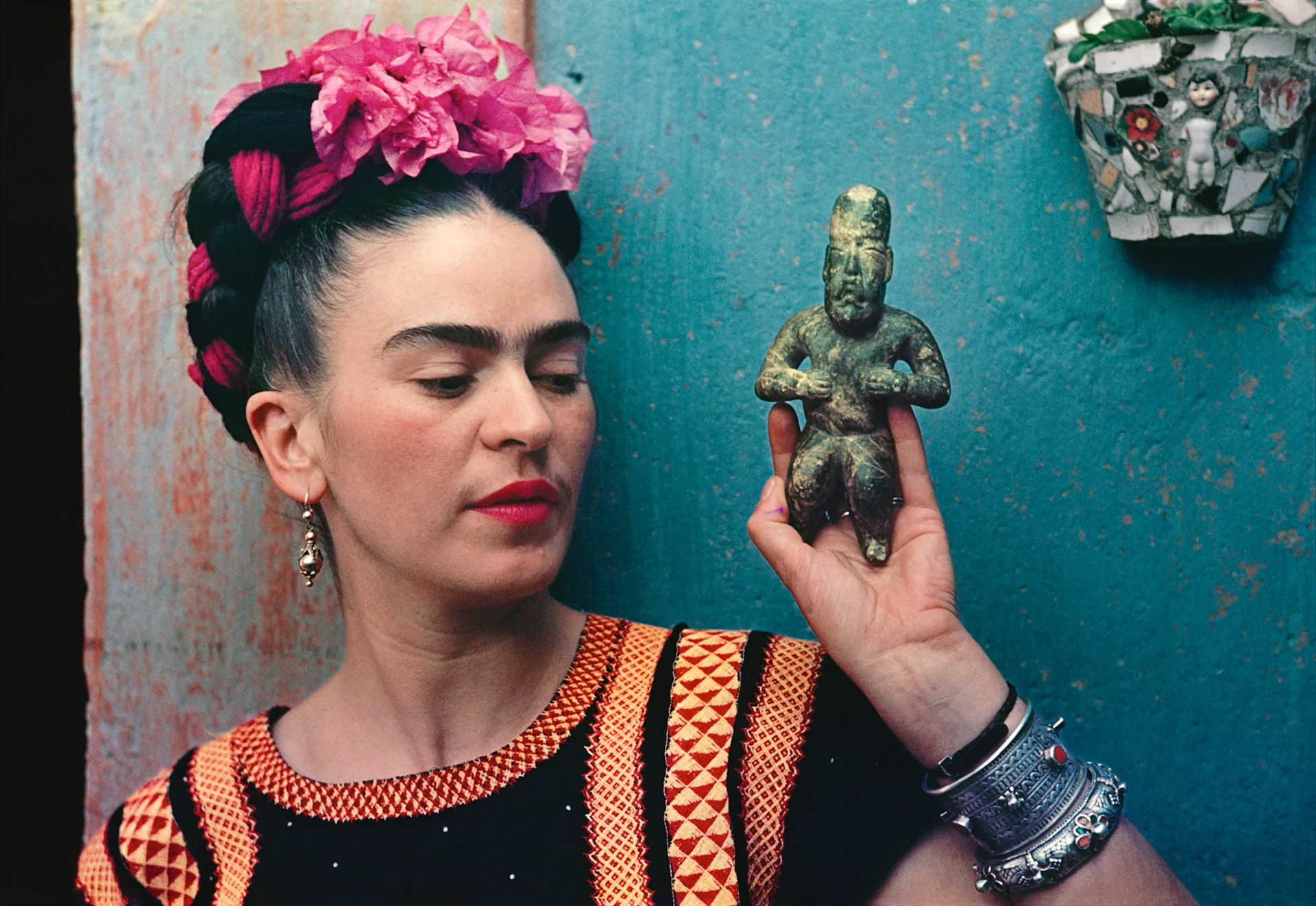
Frida Kahlo
Painted herself so specifically, so symbolically, so uncompromisingly that she effectively invented a category of self-portraiture. Dismissed for decades. Vindicated by time. Nobody can copy her. Everyone can recognise her.
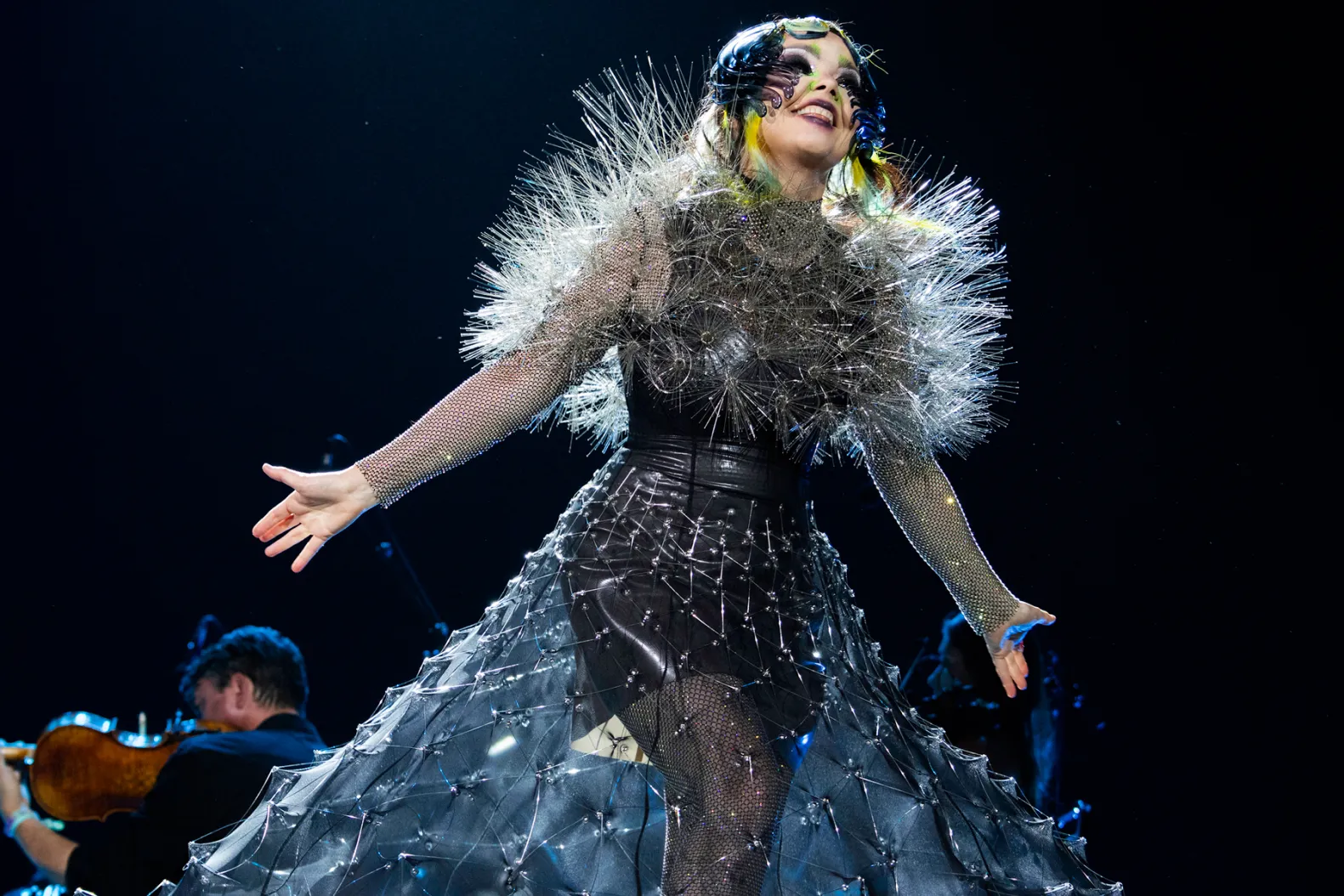
Björk
Thirty-plus years of output that still doesn't sound like anyone else. Every album invents its own world. She collaborates with avant-garde producers, costume designers, and architects the way most artists pick a playlist. Pure creator compulsion.
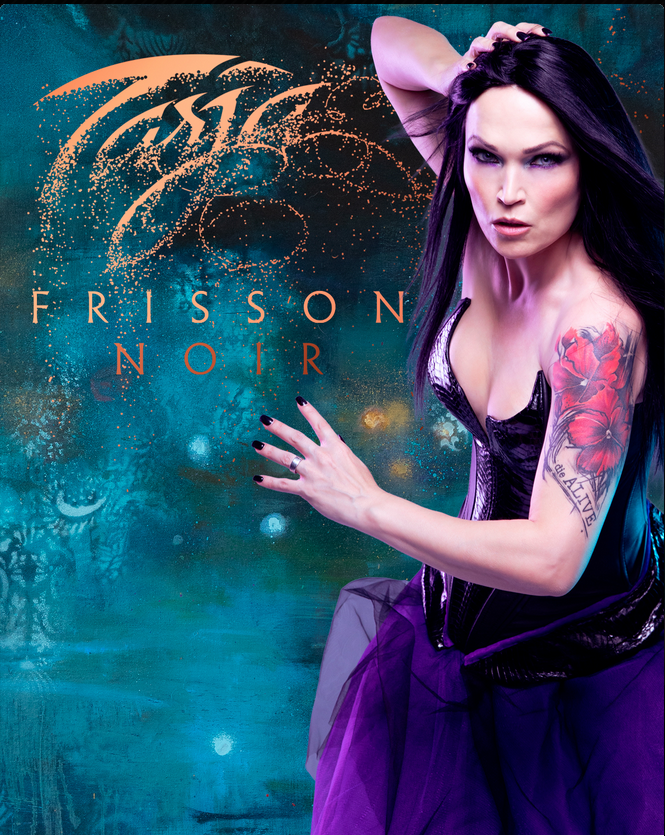
Tarja Turunen
Classically trained soprano who fused operatic vocals with metal at a time when neither genre wanted the other. Built a new category by refusing to pick one lane. Teenage-me got on a train to see her live and fully understood.
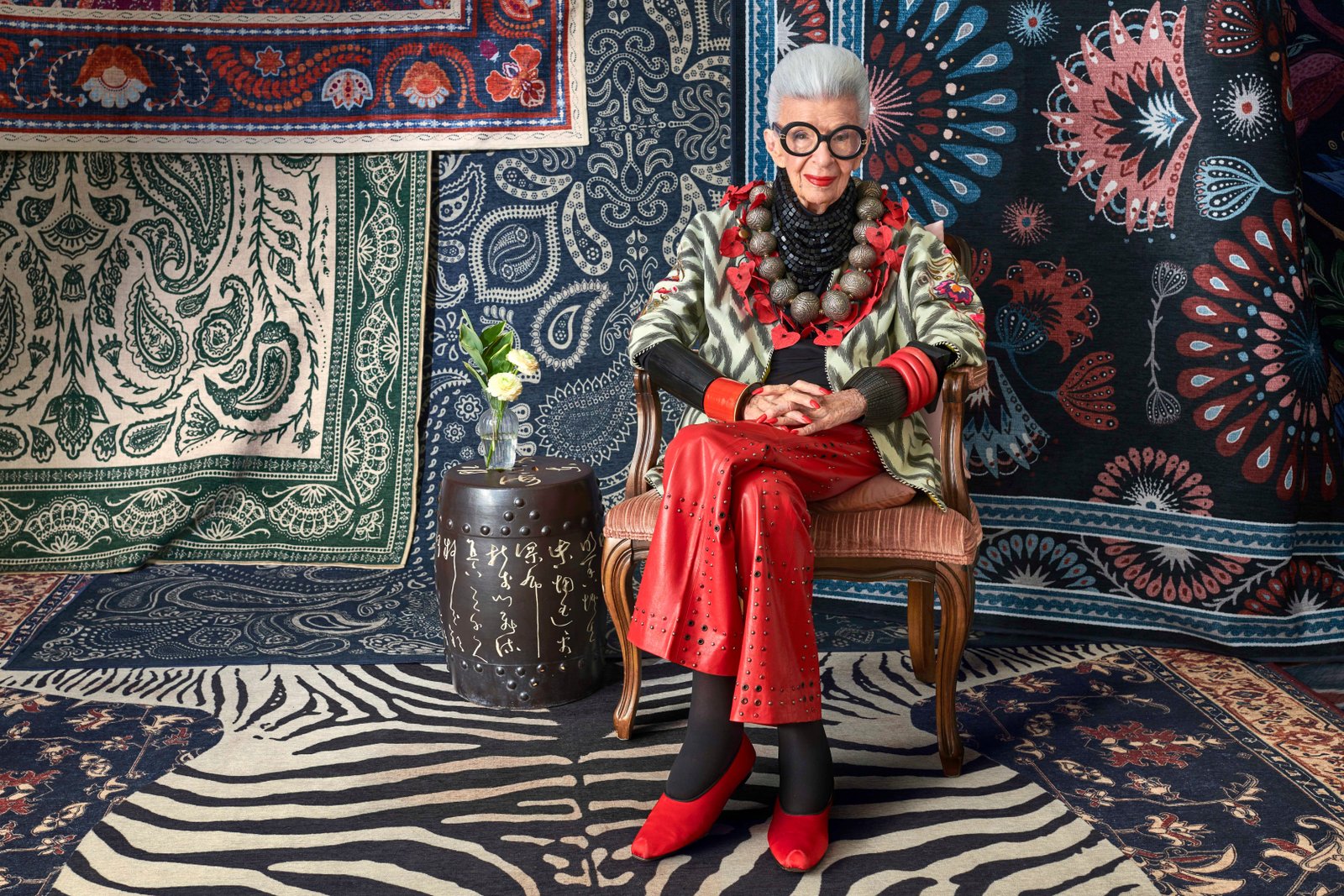
Iris Apfel
Turned personal style into a lifelong art practice. Layered colour, texture, vintage, and couture into compositions only she could see. Got her Met exhibit at 84 and kept working until she died at 102. Creator energy runs on time, not trends.
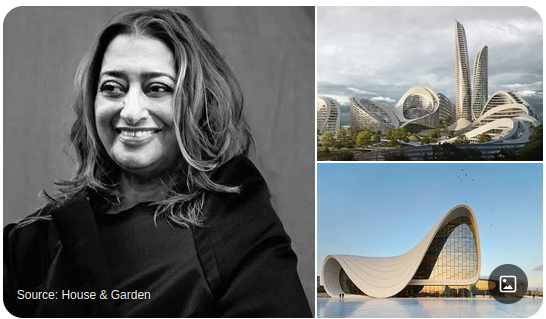
Zaha Hadid
Designed buildings that engineers initially said were impossible. Then the engineering caught up. Her practice invented a sculptural architectural language that the rest of the world is still catching up to, decades in.
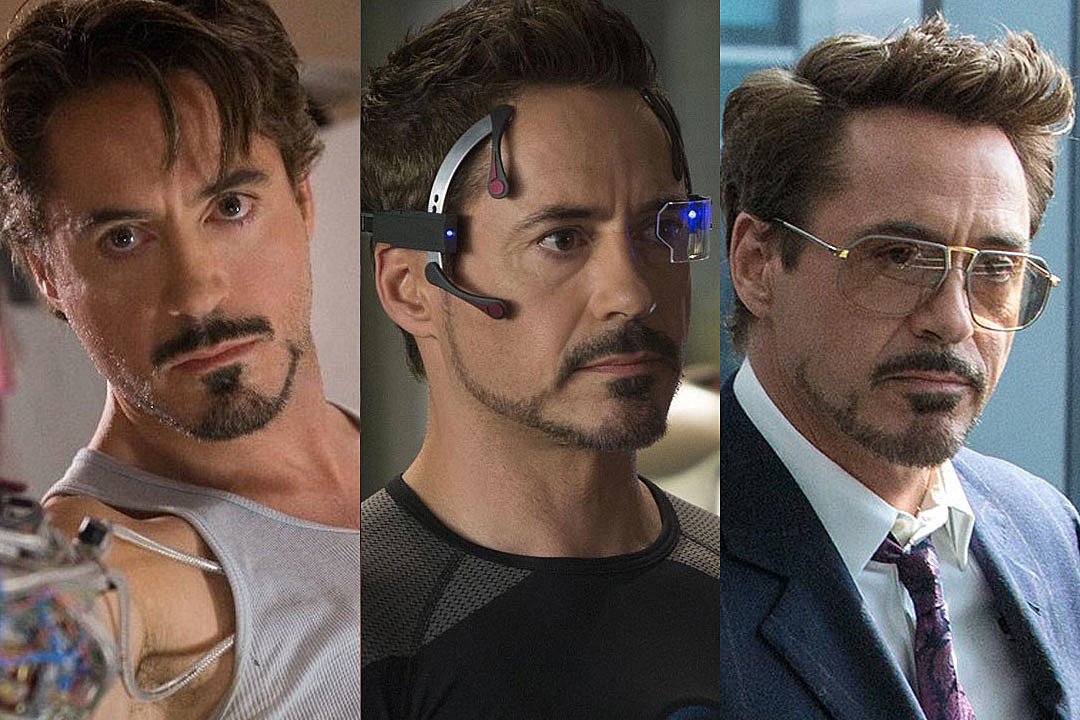
Tony Stark
The creator who builds when the conditions are catastrophic. Mark I in a cave. Then iterates the suit for the rest of the saga. Misunderstood, often unlikeable, occasionally self-destructive — and irreplaceable precisely because of it.
Creator brands beyond Adobe and Lego
Adobe
Infrastructure for creators
The creator brand that other creators use. Every decision at Adobe is downstream of the question "what does a creative person need to make the thing they're imagining?" The brand's identity is built entirely from serving other creators' work.
Lego
Making as product
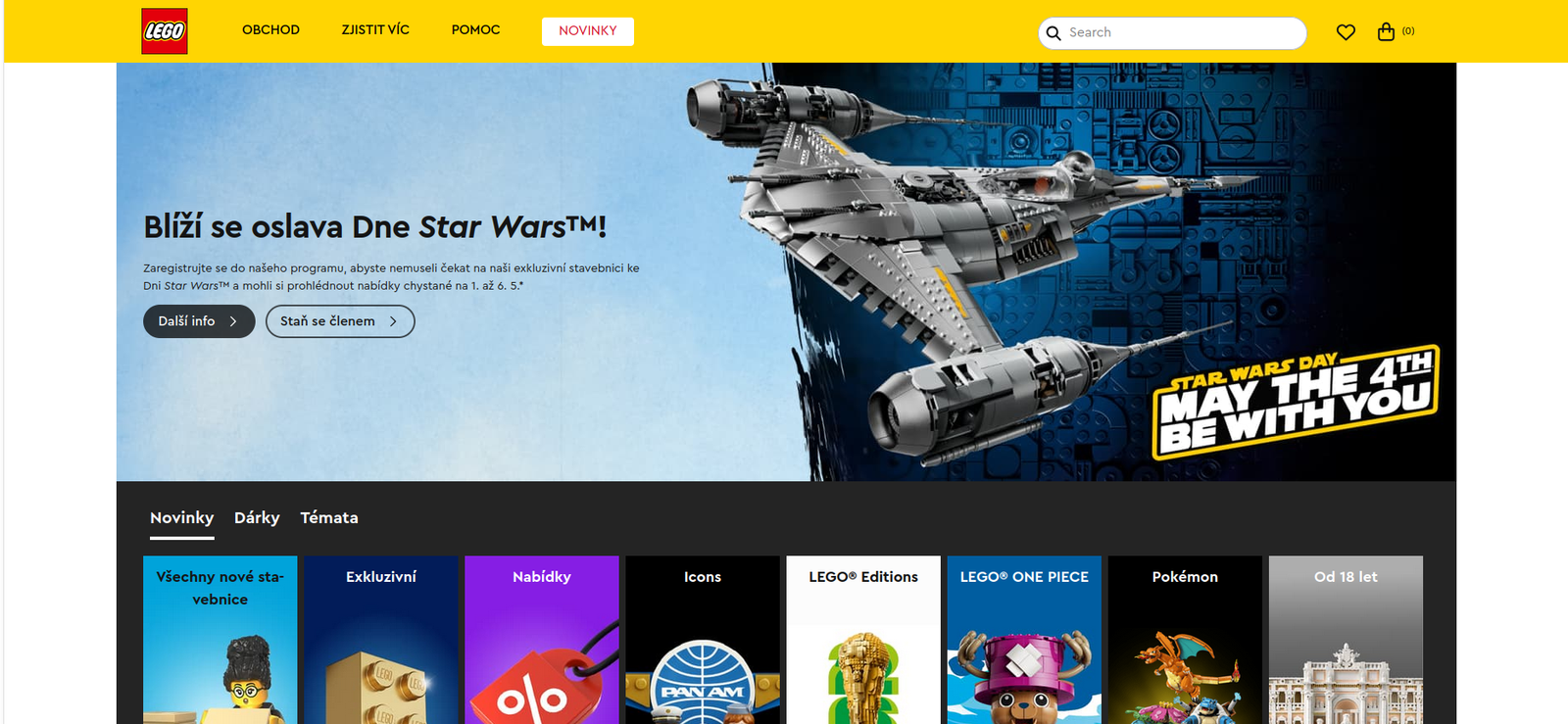
A creator brand disguised as a toy company. The product is not bricks — it's the permission and infrastructure to build whatever you imagine. Lego has spent decades defending that positioning even when shareholders pushed for easier, more directive products.
Pass the Salt Studio
Creator energy in branding itself
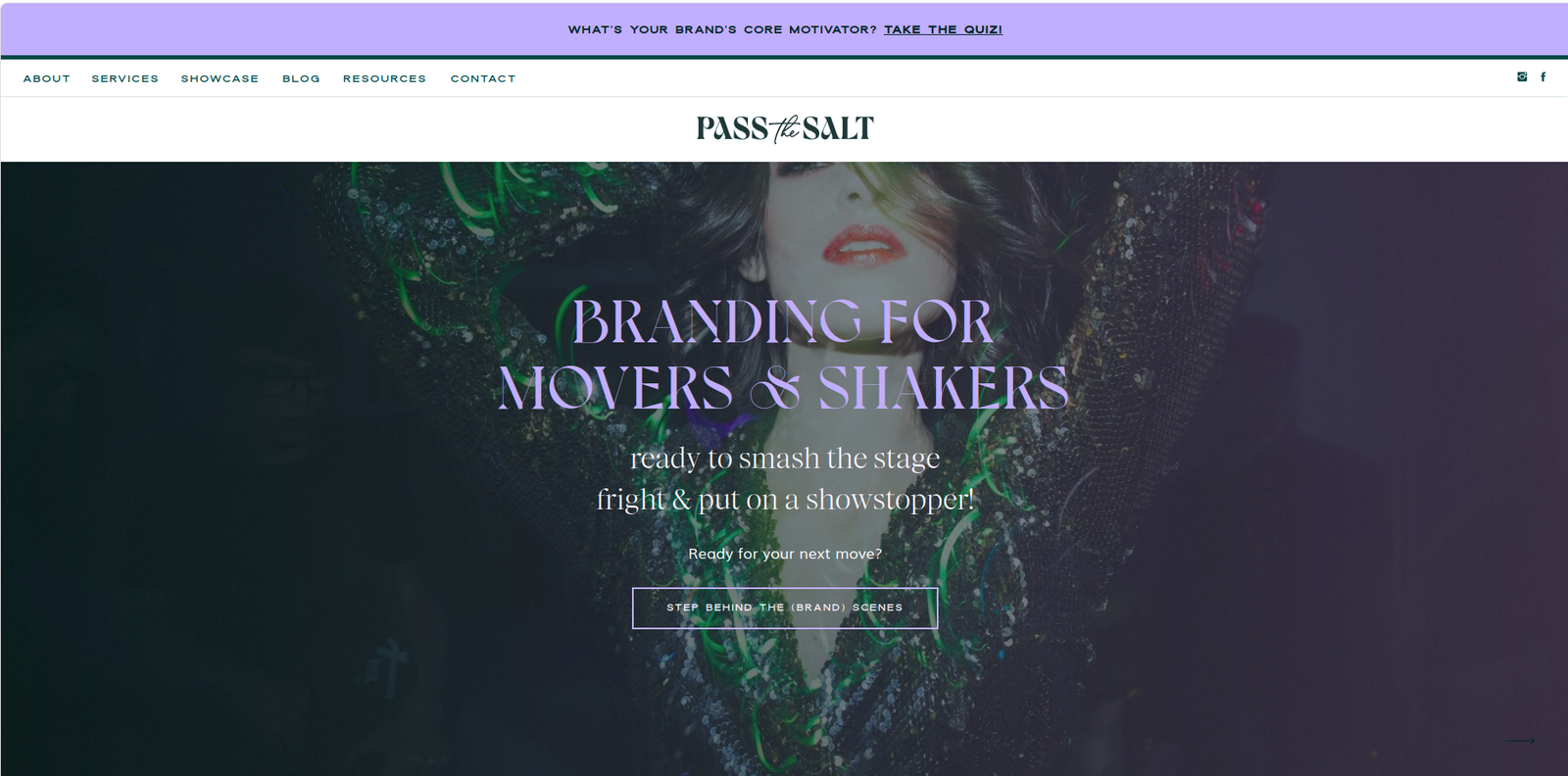
Elise Elliott's branding studio runs on a theatrical metaphor from every touchpoint — "stage ready," "brand choreographer," "showstopper." Timeless, craft-driven creative direction that refuses trending aesthetics. A creator brand building creator brands.
Creator Brand Messaging Examples
Sample Headlines
Built from scratch to match you specifically.
The formula they sold you wasn't designed for your brain.
Make the thing that wouldn't exist without you.
Originals only. Copies sold elsewhere.
You can't template your way out of mediocrity.
"If I can imagine it, I can build it."
Creator Brand CTAs
Build your signature work
Design your own system
Make what only you can make
Commission the unmistakable
Marketing Strategy
Process-led content, behind-the-scenes of making, distinctive visual and verbal identity, refusal to follow trending formats, long-term craft over short-term virality.
When It's a Costume vs. When It's Real
This is where I get specific, and I'm going to name something uncomfortable.
The online creator economy is full of people who call themselves creators because they post content, have an aesthetic, and use the word. That's not the archetype. That's the costume of the archetype. A real creator is someone who makes things the world has not seen before and keeps making them whether the algorithm rewards it or not. A content creator who endlessly rephrases other people's ideas into their own caption format is not operating in creator energy. They're operating in performer energy, or aggregator energy, or whatever else is dominant in their blend. And that's fine — but calling it creator is why the archetype has become so diluted.
The tell is copying. A real creator cannot copy. It feels physically wrong. They'll stare at a blank page for three hours rather than use someone else's template, because the whole orientation of their being is toward originality. When they see a trend, their instinct isn't "how do I jump on this" — it's "what's the inverse of this, or the deeper version of this, or the thing underneath this that nobody has said yet."
Performed creators do the opposite. They see something working, reverse-engineer it, and ship a softened version under their own name. I had a front-row seat to this recently — somebody took the core framing of my entire body of work on AI and brand identity, softened it, and rolled it into a launch campaign. I wrote the whole thing up in a separate post because the situation was too instructive to waste. What I learned from it, though, belongs here: you cannot fake originality for long. AI exposes it. Audiences eventually clock it. And the source always wins, because the source has the next original thing and the copy has to wait for someone else to produce it.
Real creator energy can be recognised by a specific quality: a consistency of voice and vision that holds across years and mediums. Björk's aesthetic in 2026 still unmistakably belongs to the person who made Debut in 1993, even though nothing about the music sounds the same. Tarja Turunen still sounds like Tarja, whether she's fronting a symphony orchestra or a thrash metal record. That thread is the creator's signature, and it can't be manufactured in a branding sprint. It has to be lived long enough that it leaks into everything.
What Real Creators Refuse to Do
People ask me what separates my work from the oceans of other branding, strategy, and AI services out there, so I'll answer it in the creator's language.
Real creator work refuses to use a template. I do not have a "client onboarding sequence" that goes out to everyone in the same order with the same questions. I do not have a "proven framework" that I apply to your brand regardless of who you are. Every client I work with gets built from scratch, because that's the only way to produce work that actually fits them. I will use brand archetypes, Human Design, and the Archetype Twin™ methodology as lenses — but the output is always specific to the human in front of me. Templates produce template clients. I don't want those.
Real creator work refuses to follow "best practices" that don't match the person. Best practices are averages. Averages don't fit creators, and they especially don't fit the kinds of creators I attract. If the best practice is to niche down and you are a songwriter, branding strategist, AI educator, and systems auditor — the best practice is wrong for you. Ignore it. Build the thing only you can build. The market will figure out what to do with it.
Real creator work refuses to copy, even when copying would be faster and more profitable. This one costs me money regularly. I see tactics that clearly convert, that I could rework into my own sales funnel in a weekend, and I just won't. Not because I'm morally superior — because my body will not let me. The part of me running Gate 1 literally refuses to produce anything that feels borrowed. It would rather make nothing than make a copy. That's the creator's tax, and it's also the creator's edge. Anything I ship is mine, and anyone who works with me gets the version nobody else is producing, because nobody else could.
Real creator work also refuses to rush the timing. Gate 41 — my imaginative initiator gate — teaches me the hard way that creator energy does not move on demand. The work emerges when it emerges. The seed gets planted long before the harvest. The songs get written when the songs are ready. Trying to force creator output on a marketing calendar breaks the work. Trying to produce without emotional clarity produces noise. This is the part of the archetype that is hardest to run a business on — and the part that separates real creators from creative-professionals who've optimised their output into a content factory.
The creator's job is to keep making, keep shipping, and keep the body of work growing over decades. That's it. Everything else is theatre.
Frequently Asked Questions
Want to Know If This Is Actually Your Archetype?
Most people are a blend of two or three archetypes, not just one. The combination is what makes your brand distinct. I map this in an Oracle Session using Human Design, brand archetypes, and the structural read I trained inside almost a decade of quality auditing. You leave knowing exactly who your brand is, who it speaks to, and how to build it.
See If We're a Fit Or explore all 12 brand archetypes →If any link above has changed, check the Work With Me section in the menu for current offers.