Marilyn Monroe walks across a subway grate in Manhattan, 1954. The white dress lifts. That shot has been parodied a thousand times and most people remember the dress, not the woman.
What I see when I look at that frame is someone who is not performing a single thing. She's not calculating her angle. She's not adjusting for the camera. The beauty in that moment is a frequency she's running, not a pose she's holding, and the difference between those two things is the entire lover brand archetype.
Lover Brand Archetype
"I only have eyes for you."
What the Lover Brand Archetype Actually Is
The lover is one of the 12 brand archetypes rooted in Carl Jung's psychological framework. Also called the Partner, the Sensualist, the Connoisseur. Its core desire is intimacy and sensual pleasure. Its goal is to be in genuine relationship with the people, the work, and the surroundings it loves. Its deepest fear is being unwanted, invisible, left out. Its gift is passion, gratitude, appreciation, and the kind of commitment that holds across decades and doesn't get bored.
The lover archetype moves through levels, and this matters for brand building because the level you're operating at determines whether your brand feels magnetic or just decorative.
At the Call, there's infatuation. Falling in love with an idea, a business, a way of working. Everything is heightened and nothing feels difficult yet.
At Level One, the lover is chasing the feeling. Great romance, great aesthetics, great sensory experience, and the fear that it might disappear.
At Level Two, the lover commits. This is where "following your bliss" stops being a quote on a mug and becomes an actual practice with structure underneath it. The lover chooses what to love and stays with it.
At Level Three, the lover reaches something I can only describe as self-acceptance that radiates outward. Spiritual love. Ecstasy in the original sense of the word, not the performative sense. The brand at this level doesn't chase anymore because the magnetism comes from the devotion itself.
The shadow side is real and nobody writes about it. Obsession. Jealousy. Envy. And on the other end of the spectrum, Puritanism, which is the lover who shuts down their own sensuality completely because it feels too dangerous to want what they want. I see both in sessions. The lover who over-gives to every client until they're resentful and empty, and the lover who has locked down their softness so completely that their brand looks clinical and their audience can't feel them at all.
The trap is doing anything to attract and please others, losing identity in the process. What I work on with lover-led clients is almost always the same thing: stop performing devotion and start practicing it. Performed devotion is exhausting because it's oriented outward, constantly checking "am I pleasing you?" Practiced devotion compounds because it's rooted in the lover's own relationship with what they love.
I carry this archetype in my own blend, and most people wouldn't guess it from the outside. My primary is Rebel at 60%, Magician at 30%, Creator at 10%. But underneath all of that, the lover frequency is running constantly. I carry Gate 59 in my Conscious Mercury, which is the Gate of Intimacy, sometimes called the Aura Breaker. It means my natural communication style is designed to dissolve walls between people. When my sister was asked to name five adjectives about me, one of them was "feminine." And a former colleague once said something that stayed with me: "Tereza not only understood systems and people but more importantly cared deeply about those around her."
That caring is the lover frequency. Most brand strategists would never combine it with a Rebel-Magician lead, because the archetypes seem contradictory on paper. But once you're actually in a room with me, or on a call, you know. The directness is real. The seeing is real. And so is the fact that I give a shit about the person sitting across from me in a way that goes beyond professional. That's the lover, and it runs underneath everything even when the Rebel is the one holding the microphone.
Lover Brand Visual Identity
Lover is INTIMACY. That's the visual principle underneath everything. Every choice is asking the same question: how does this make the viewer feel close to something they want?
The colour palette is rich and sensual. Deep reds, blush pinks, rose, cream, ivory, plum, burnished gold. Skin-adjacent tones. Nothing clinical. Nothing corporate. The palette should feel like it was picked off a vanity table, not generated by a brand-colour tool.
Lover Brand Visual Direction
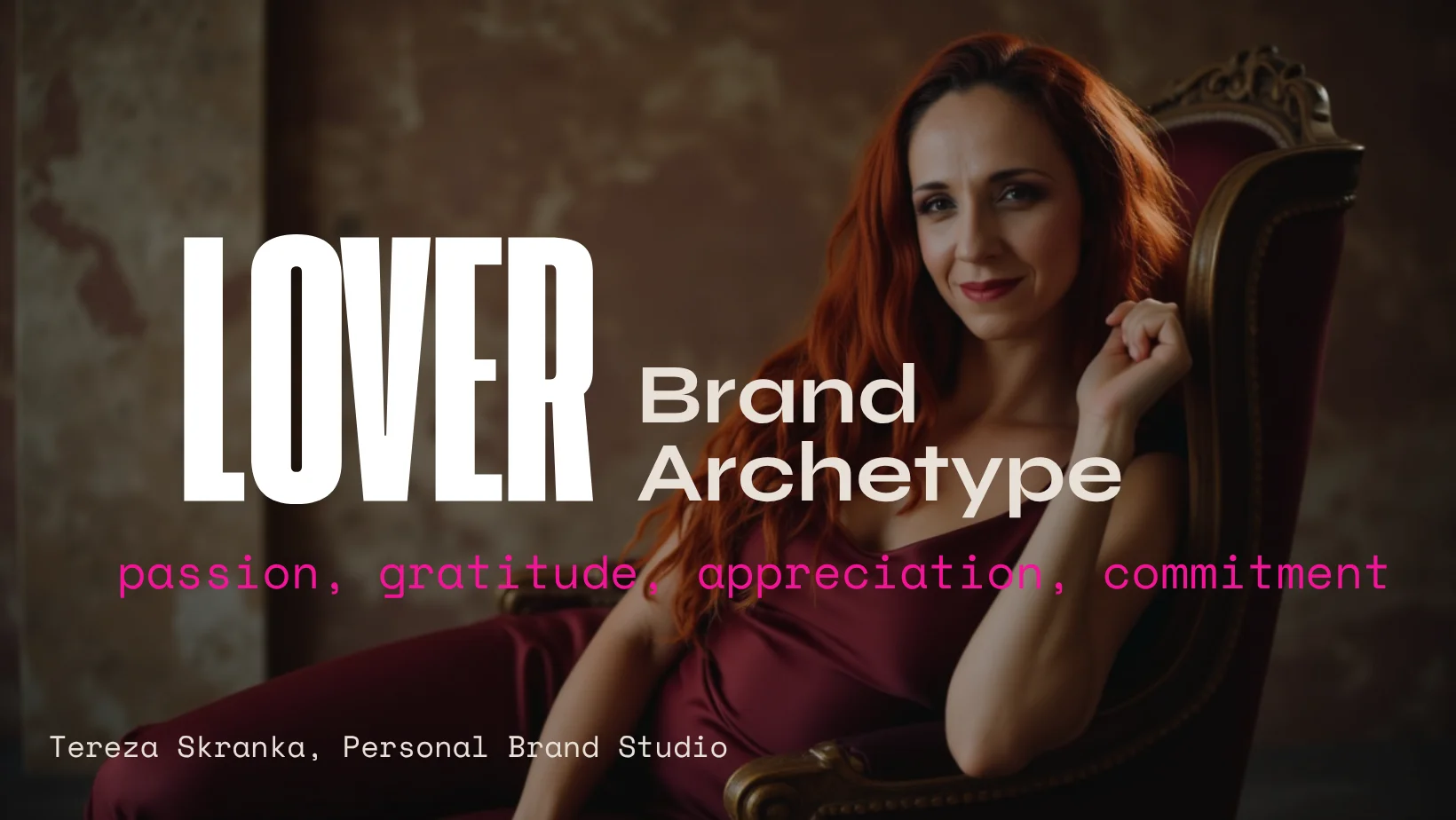
 ^ this is an AI photoshoot. not a real photo.
When I styled the AI photoshoot card for the lover archetype, the shot was Tereza in deep wine velvet, light coming in low and warm from the side, hands resting close to the camera, the texture of the fabric carrying as much weight in the frame as the face. That's the lover frequency rendered visually. The image works because it was built from the archetype analysis, not from a Pinterest mood board.
How the Lover Archetype Shows Up in Your Brand
Lover-led brands don't just look romantic. They operate differently from the inside, and the differences show up in places most archetype articles never bother to cover.
How lovers write captions and emails
They slow down at the moments that matter. The body's vocabulary (warm, close, full, soft, sharp, hungry) shows up naturally in their writing without them having to force it. They don't rush to the call to action because rushing is the opposite of devotion. The reader is being invited into a relationship, and the writing is showing them what it will feel like inside before asking them to commit.
How lovers' websites feel
Like walking into a perfumery. One thing at a time, with breathing room around it. The menu is not a list of features. The hero image is one beautiful frame that earns the scroll. The about page reads like a letter, not a CV. Every page should feel like the person built it for you specifically, and that's not an accident. The research on lover-archetype consumers confirms this: they want to feel singled out, chosen, known. A generic experience actively repels them.
How lovers price
For the depth of the experience, not the volume of the deliverable. The lover archetype values quality for enhanced pleasure in life, not for status the way a Ruler does. A Jaguar is sleek and sumptuous not to impress the neighbours but to envelop the driver in a sensory experience. Lover brands often undervalue themselves early because generosity is their default setting, and then correct hard once they understand that pricing is part of the love letter. A too-low price tells the buyer to expect a thinner experience. The right price tells the buyer that this relationship matters on both sides.
How lovers handle objections
With patience and zero pressure. The lover knows that real intimacy cannot be rushed, so they answer questions in detail, name who the offer is and is not for, and let the wrong-fit buyer leave without a chase email. As the archetype research puts it: for the lover, you don't have to be perfect, but you do need to be real and open. Shared vulnerabilities can deepen the relationship. The lover handles objections by being more honest, not more persuasive.
Who they attract and repel
Lover brands attract people who are tired of transactional service, who want presence, attention, and follow-through. People for whom relationship marketing actually works because they genuinely want to feel known by the brands they buy from. They repel anyone shopping for the cheapest, fastest, most-features-per-euro option. Those buyers are not wrong for wanting that. They're looking for something else, and the lover is not it.
The practical tip nobody else writes
Every touchpoint has to feel like an experience. The email subject line, the DM voice, the packaging, the booking page, the thank-you note after a call. A lover brand with a default Calendly link and a generic auto-responder has already broken the spell. The Fairmont Hotel calls room service guests by name and remembers their preferences from previous stays, and even when the guest knows it's a computer pulling up the data, it still works because the experience of being remembered activates the lover's deepest desire: to not be treated as interchangeable.
Pick one touchpoint and start there. The welcome email is usually the highest-leverage choice. Replace utility with experience until the whole brand feels inhabited, not just decorated.
Lover Archetype Customer Psychology
Famous Lover Brand Archetype Examples
The lover archetype shows up in the people who made intimacy, devotion, and sensory presence into a lifelong practice, not a phase or a marketing strategy.

Marilyn Monroe
The most misread lover of the twentieth century. She read poetry, ran her own production company, and hand-picked her photographers. Beauty was her frequency, not her performance, and that distinction is the entire archetype in one sentence.
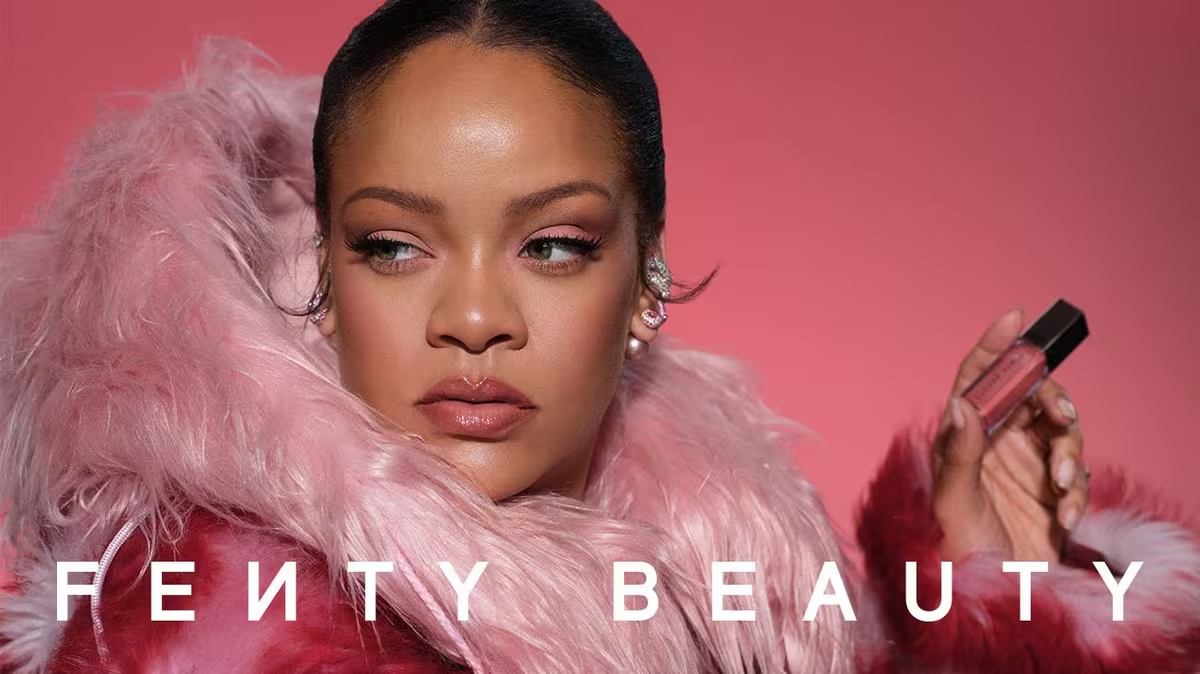
Rihanna (Fenty era)
A masterclass in lover brand-building at Level Three. Fenty Beauty launched with 40 foundation shades because the lover archetype refuses to leave anyone out of the experience of being seen.
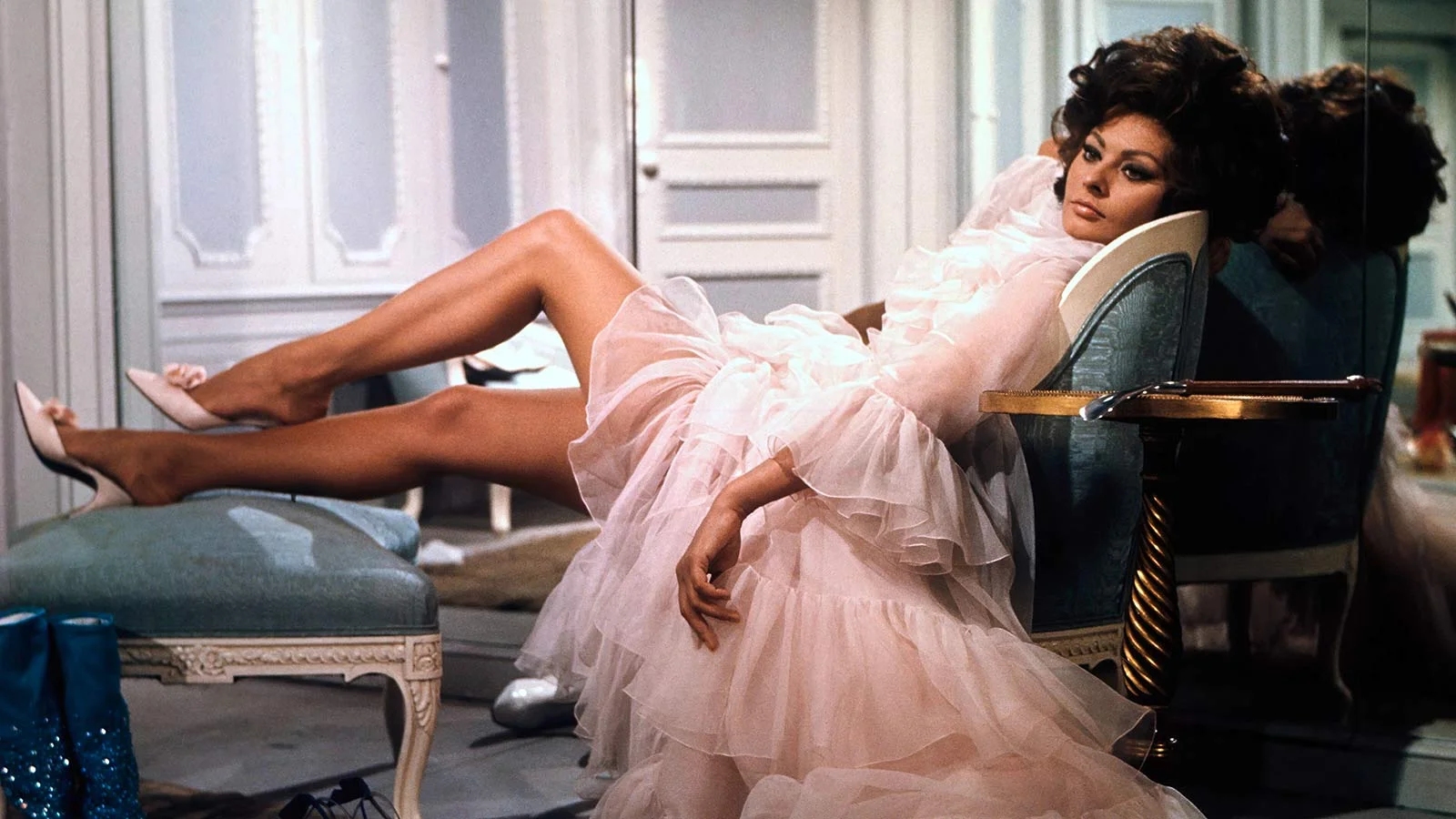
Sofia Loren
Italian post-war cinema's defining lover. Built a six-decade career on presence rather than reinvention. Stayed unmistakably herself across every film, every magazine cover, every public appearance. Level Three lover energy.
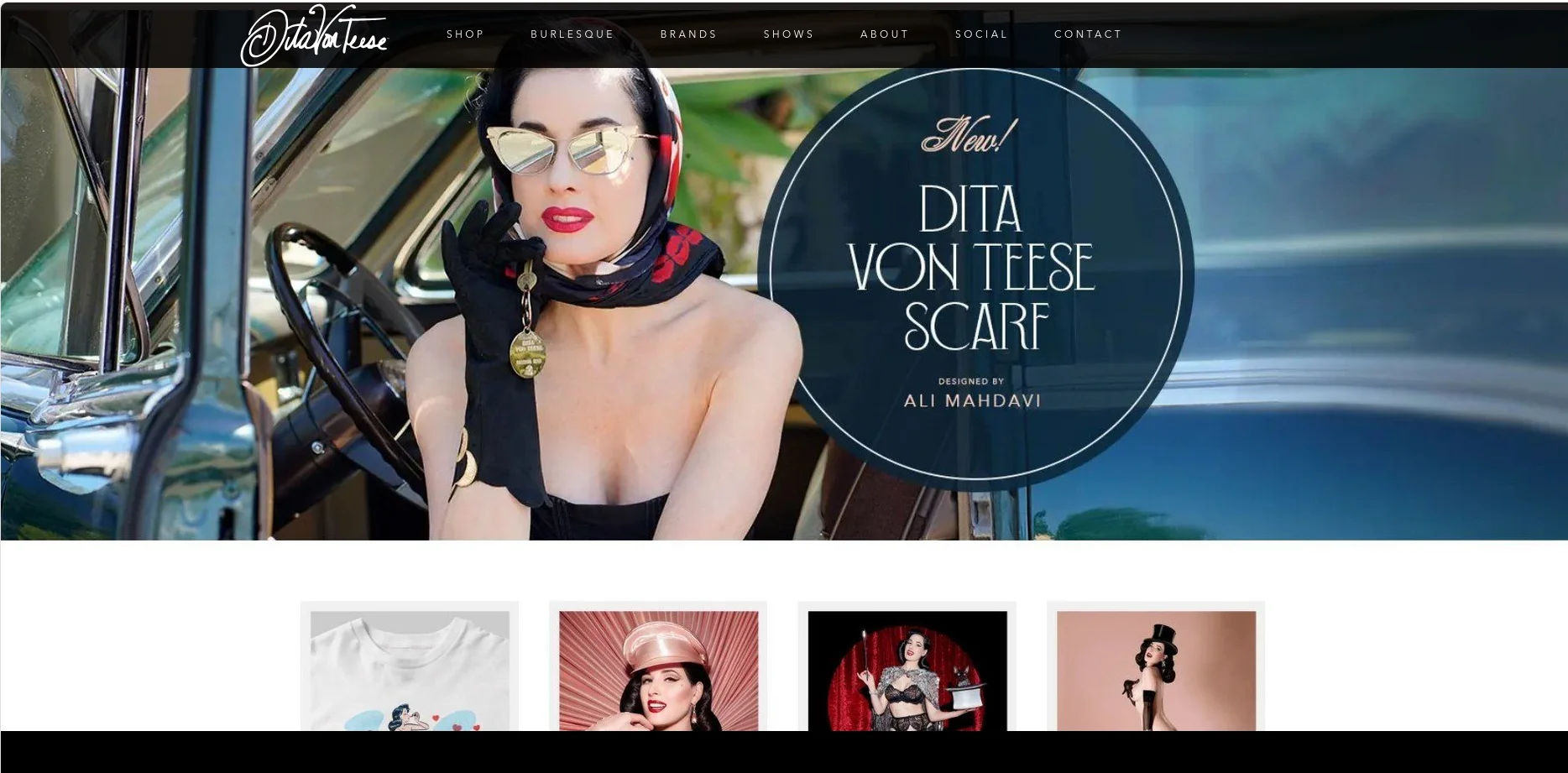
Dita Von Teese
Treated burlesque as a lifelong craft rather than a phase or a provocation. Designs every show, every costume, every set herself. The whole brand is one long, considered love letter to a specific aesthetic.
Lover brands that set the standard
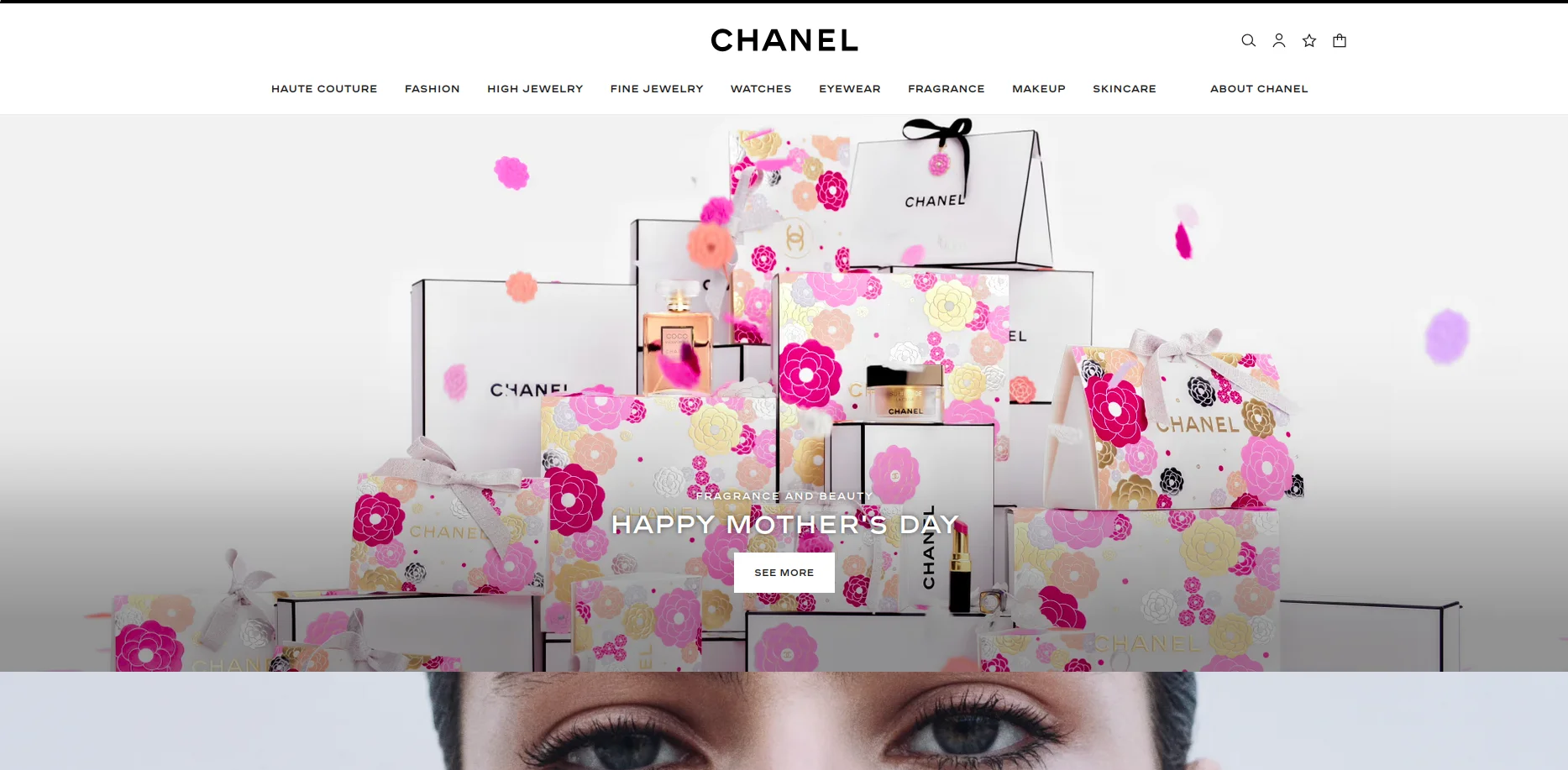
Chanel
Devotion as legacy
The canonical lover brand for over a century. Forty years of Coco refining the relationship between a woman and her clothes, then a brand identity that hasn't flinched since. Quiet luxury that stays warm, never cold.
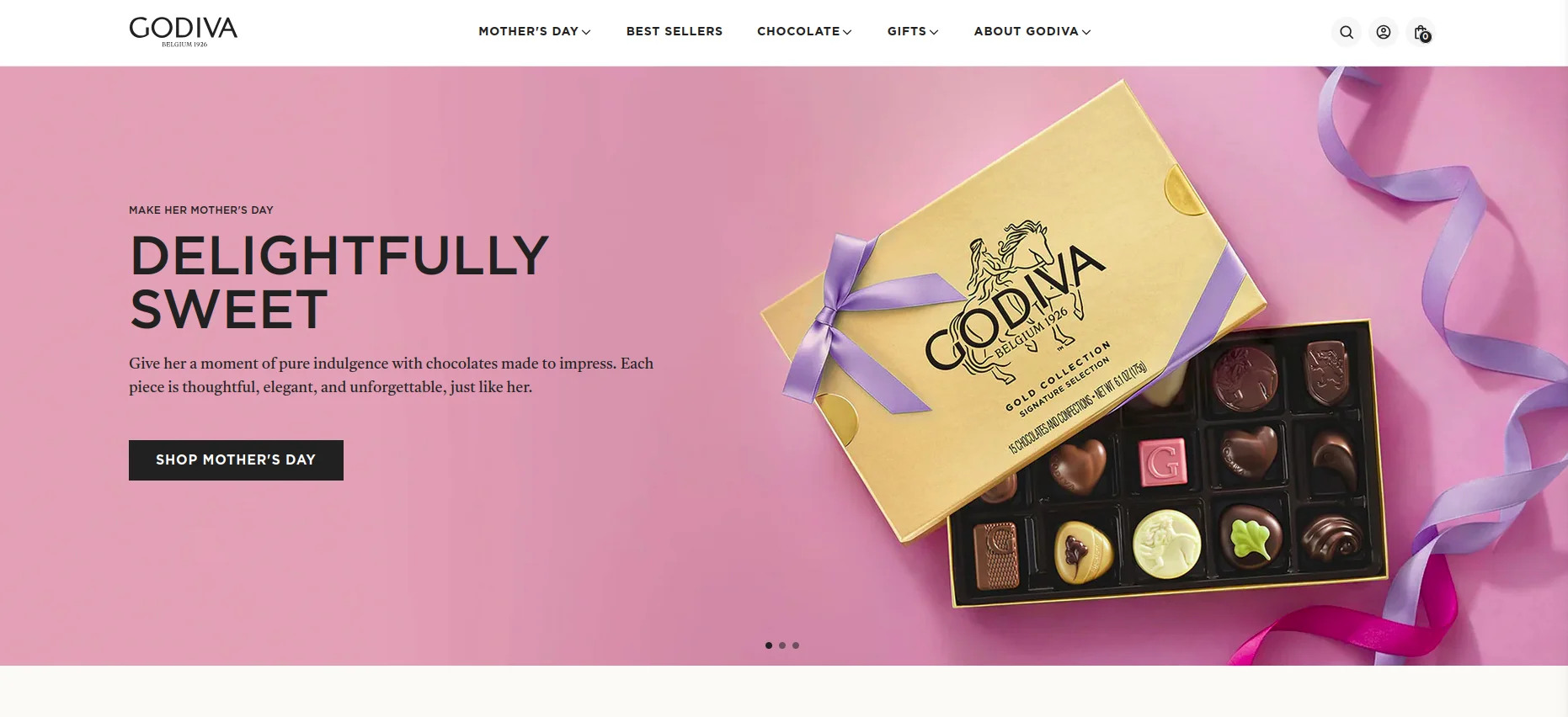
Godiva
Anticipation as product
Built an empire on the lover's understanding that anticipation is part of the pleasure. The gold box, the ribbon, the slow unwrapping. The packaging IS the product.
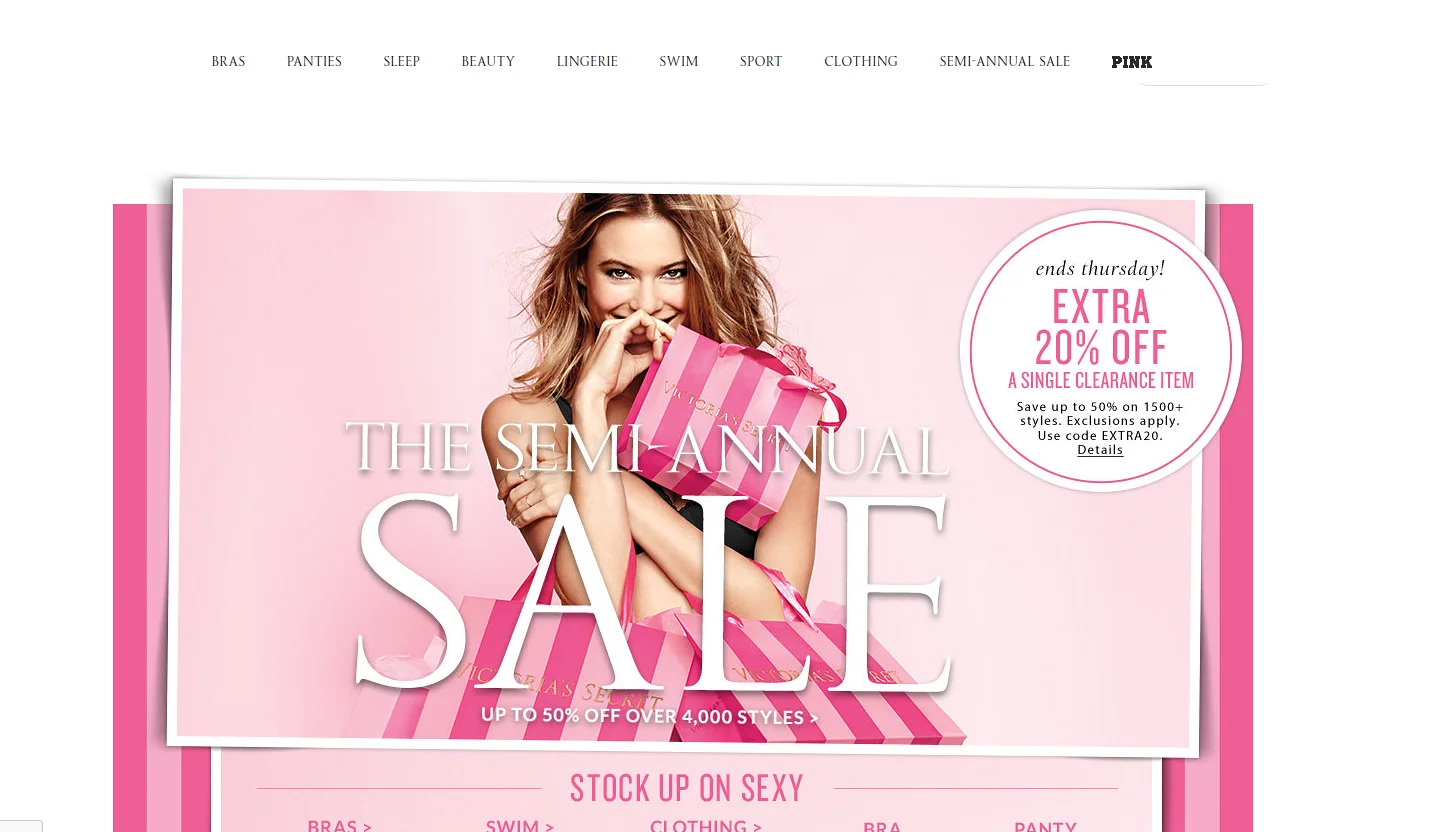
Victoria's Secret
Theatre at scale
When the brand was at its peak, before the strategic pivot, it was lover archetype rendered at scale: theatre, fantasy, ritual, packaging. The archetype lesson sits in the legacy.
Lover Brand Messaging Examples
Sample Headlines
You deserve to be wanted back.
Built for the ones who stay.
This is what devotion looks like in a brand.
For the ones who refuse to make wanting smaller.
Beauty is a frequency, not a performance.
"If it doesn't feel like something, it isn't anything."
Lover Brand CTAs
Come closer
Feel the difference
Experience it yourself
Step into the relationship
Marketing Strategy
Sensory storytelling, intimate email sequences, experience-first touchpoints, relationship depth over audience width, editorial visual identity, connoisseur positioning.
When It's Performed vs. When It's Real
Performed lover brands are everywhere. Soft pink palette, italic serif, romantic captions that sound beautiful on the first read. And underneath all of that, a default Calendly link, an automated funnel with no personality, and a tone that gets noticeably tired by month eighteen. The visual is doing all the work because there's no devotion underneath holding it up.
Embodied lover brands are quieter about it. The visual is part of the equation but it's not carrying the whole weight. The clue is always reciprocity. A real lover brand wants the relationship back. Wants clients who will show up, pay what the work is worth, and follow through after the session ends. Performed lover brands keep giving without the structure to receive, and the resentment leaks out in the captions about a year and a half in. I've watched it happen to clients before they came to me, and the pattern is always the same: over-giving, under-charging, and then wondering why the work feels draining instead of nourishing.
The other tell is consistency across surfaces. A real lover brand looks and feels like itself everywhere: the email, the Instagram bio, the booking page, the thank-you note, the way they respond to a DM at 9pm on a Tuesday. A performed lover brand has a stunning Instagram grid and a Gmail signature that says "Sent from my iPhone." The break in continuity is the tell. Lover energy does not turn off when the public-facing surface ends, because it was never a surface in the first place.
The deepest level of the lover archetype, Level Three, is where the devotion becomes self-acceptance. The brand stops chasing approval and starts attracting through being fully itself. The shadow version, the one nobody talks about, is the Puritan overcorrection: the lover who got burned by their own openness and shut the whole thing down. Their brand becomes rigid, clinical, controlled. They've traded the softness for safety and the audience can feel the absence even if they can't name it.
The work, when a lover comes to me for an archetype session, is finding where they are on this spectrum and helping them come back to the real frequency instead of the costume. And because I carry this energy myself (even wrapped inside a Rebel exterior), I can feel the moment in a session when a lover client stops performing their devotion and starts inhabiting it. Their shoulders drop. Their language gets specific in a way it hadn't been before. They start describing their work in sensory terms: the smell of the room, the texture of the fabric, the way someone's voice sounds when they finally relax. The lover has been masking as a strategist or a teacher and now the lover exhales.
Frequently Asked Questions
Want to Know If This Is Actually Your Archetype?
Most people are a blend of two or three archetypes, not just one. The combination is what makes your brand specific and impossible to copy. I map this in a Brand & Business Report using Human Design, brand archetypes, and the structural read I trained inside almost a decade of quality auditing. You get a written diagnosis of who your brand actually is, who it speaks to, and what the next move is.
Get Your Report // €288 Or explore all 12 brand archetypes →